
Do you know that the first diabetic symptoms were traced in 1552 B.C., when an Egyptian physician, found about this disease by frequent urination symptoms.
In 1675 to get the surety about the theory the “water tasters” was diagnosed. People were suspected to have diabetes if their urine tasted sweet, “mellitus,” was diagnosed.
About 422 million people worldwide have diabetes, the majority living in low and middle income countries, and 1.6 million deaths are directly related to diabetes each year.
To understand diabetes we first have to understand what makes us diabetic and what are its side effects.
What kind of food spike blood sugar?

The food we eat, our bodies digest them simply by exerting and mixing it with some fluids till it reaches to our stomach. The stomach starts digesting the food by breaking, Proteins into amino acids, Fats into fatty acids and glycerol, Carbohydrates into sugars and glucose.
Now, stomach and small intestines starts absorbing the glucose and then release it into the bloodstream. Once glucose enters into the bloodstream, it can be used to supply immediate energy or can get stored in our body, for later uses.
Carbohydrates gets turned into blood glucose, the more and more you consume carbohydrates, the higher the rate of blood sugar will spike in our body.
For instance: Having a sweet beverage will cause much faster blood sugar spike in your blood than having a single slice of pizza.
Also, liquid form of carbohydrates spike more blood sugar as compared to those in solid food because liquid beverage absorb much faster than solid food. Foods that can generate the blood sugar spike are those that are high in processed carbohydrates.
- white grain products, pasta and rice
- cookies
- white bread
- cold processed cereals
- Sugared drinks etc.
Protein, fat, water, vitamins, and minerals don’t contain carbohydrates. Carbohydrates have the greatest impact on blood sugar levels.
If a person wants to control his blood sugar levels then he must look upon his carbohydrate intake initially.
Liver and The sugar:
It is really important to understand how our liver is involved in maintaining blood sugar as liver is also known as the most important part of human body with 500 essential task.

Liver also plays a vital role in maintaining blood glucose, and constantly helps in circulating the blood sugar levels by keeping other fuels steady. The liver stores and manufactures glucose depending upon the need of our body. Liver has primarily signalled hormones like insulin and glucagon that store and release glucose.
Whenever we eat food, insulin starts supressing the higher blood sugar levels of glucagon when the food finally starts to get store in our body in the form of glucose and glycogen.
So, does that mean body can create sugar?
Yes, body can make its own sugar when the blood sugar requirements are below 30 grams. When we are not eating or are on fasting overnight or in between meals, then our liver starts creating its own sugar, liver supplies glucose by turning stored glycogen into glucose, this process is called Glycogenolysis. The liver can also manufacture necessary sugar or glucose by harvesting amino acids, and fat by products this process is called Gluconeogenisis.
How diabetes affect us?
Insulin is a hormone which is excreted by the beta cells inside the pancreas are responsible for allowing glucose in the blood to get inside the cells which provide cells energy to work.
Insulin also assists in breaking down fats or proteins for energy. If insulin levels are too low or high, excessively high or low blood sugar can start to cause symptoms. Diabetes can take a toll over every organ in your body, including essential ones:
Heart and blood vessels:

Our heart play the most role in our body. When it comes to diabetes our heart is the first that gets targeted, there are so many diseases that comes with diabetes are coronary heart disease (CHD), heart failure, and diabetic cardiomyopathy.
Cardiovascular disease is a disease which includes all kinds of heart related diseases such as stroke, and blood vessel disease out of which, the most common type is Coronary Artery Disease, which affects blood flow to the heart.
Coronary artery disease is caused because of “Plaque” that gets deposited in the walls of the arteries, Plaque is made up of fat, cholesterol, calcium, and other substances found in the blood, which make the inside of arteries narrow and decrease blood flow. The blood vessels that supply oxygen and blood to the heart the hardening of the blood vessels or arteries is also known as atherosclerosis. Decreased blood flow to the heart can cause a heart attack. Decreased blood flow to the brain can cause a stroke.
Hardening of the arteries can happen in other parts of the body. It is also known as peripheral artery disease, or PAD. If anyone has diabetes then PAD the first sign that a person has cardiovascular disease.
These factors can also raise your risk for heart disease:
- Smoking
- Being overweight or having obesity
- Not getting enough physical activity
- Drinking too much alcohol
- Eating refined carbohydrates
Eyes:

When it comes to our sense our eyes are the one which gets affected by diabetes Facts told that, diabetes is the primary cause of blindness in adults ages 20 to 74. People with high blood sugar can lead to problems like blurry vision, cataracts, glaucoma, and retinopathy. Some cases may be treated with careful diabetes management and other cases may require laser treatment or surgery.
When the glucose level in our blood are not in the right range it starts affecting our vision because high blood sugar makes it harder to make out fine details in what you’re seeing in both high and low glucose range. Reasons why we start getting problems when we start insulin treatment also we it’s may be because of fluid leaking into the lens of your eyes. Blurry vision can also be a symptom of glaucoma, a disease in which pressure in your eye damages the optic nerve. Diabetic retinopathy is caused by damage to the blood vessels in the tissue at the back of the eye (retina). If you have diabetes, it’s important for you to get a comprehensive dilated eye exam at least once a year.
There symptoms include:
- faded colors
- clouded or blurry vision
- double vision, usually in just one eye
- sensitivity to light
- loss of peripheral vision or tunnel vision
- halos around lights
- reddening of the eyes
- ocular (eye) pain
Kidneys:

Our kidneys helps in controlling blood pressure and make hormones which are required by our body to stay healthy but the main job of the kidneys are to filter wastes and extra water out of our blood to make urine.
But as we have discussed earlier that diabetes affect blood vessels, so when the blood vessels in the kidneys are injured, our kidneys cannot clean our blood properly, which will start retaining more water and salt in our body more than required, which ultimately will result in weight gain and ankle swelling, you may have protein in urine, also waste materials starts build up in our blood which may lead to high blood pressure, which can also damage your kidneys.
About 30 percent of patients with Type 1 (juvenile onset) diabetes and 10 to 40 percent of those with Type 2 (adult onset) diabetes eventually have a kidney failure.
You are more likely to develop kidney disease if you have diabetes too:
- smoke
- blood glucose is too high
- blood pressure is too high
- less or not active
- may be obese or overweight
- May develop heart disease
- May have a family history of kidney failure
Gums and teeth:

People who are suffering from or have poor control over diabetes may have a greater risk of dental problems because diabetes can reduce the blood supply to the gum and teeth. People with high diabetes are more likely to have infections in their gums and also in the bone that are holding the teeth. High blood sugar may also cause dry mouth and make gum disease worse.
When diabetes is not controlled or is high what happen is glucose which is present in our saliva helps harmful bacteria grow with the help of other fluids which are also presented in our mouth. These bacteria combine with food to form a soft, sticky film called plaque. Plaque also comes from eating foods that contain sugars or starches. Some types of plaque cause tooth decay or cavities, gum disease and bad breath.
Gum disease can be more severe and take longer to heal if you have diabetes. In turn, having gum disease can make your blood glucose hard to control.
Some symptoms of a problem in your mouth are
- a sore, or an ulcer, that does not heal
- dark spots or holes in your teeth
- pain in your mouth, or jaw that doesn’t go away
- may have loose teeth
- pain while chewing
- a changed sense of taste or a bad taste in your mouth
- bad breath that doesn’t go away when you brush your teeth
How to prevent or to control diabetes?

- Exercise daily: try to get involve in different activities to prevent or to control diabetes because exercise increase the insulin sensitivity which will ultimately help in better utilization of energy.
- Watch out for your carbs: your body convert carbs into glucose and as we know carbs are all sugars, then insulin helps to move the glucose into the cell. Too much of carbs intake can weaken the insulin function which will lead to increase in blood sugar levels.
- Enough sleep: Poor sleeping habits and a lack of rest also affect blood sugar levels and insulin sensitivity. Sleep deprivation decreases the release of growth hormones and increases cortisol levels It is best to get a sufficient amount of high-quality sleep every night
- Stress: Hormones such as glucagon and cortisol are secreted during stress. Stress can affect your blood sugar levels stress reduction can also correct insulin secretion problems. Exercises and relaxation methods helps in stress reduction.
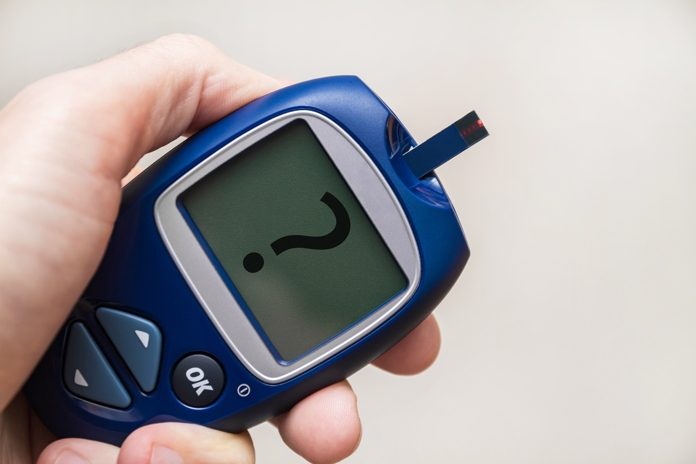
- Monitor your sugar: Measuring and monitoring blood glucose levels can also help you control them. Keeping track helps you determine whether you need to make adjustments in meals or medications. measuring your levels every day, and keeping track of the numbers
- Keep yourself hydrated: keep yourself hydrated because water helps in keeping blood sugar level within limits. Dehydration may affect the kidneys to flush out the excessive blood sugar through urine.
 Robust.health.fitness
Its an amazing blog keep it up , after reading this i know how to control my diabetics
LikeLiked by 1 person
Very well written and informative too! 👏
LikeLiked by 1 person