
The presence and diseases of the thyroid have been noted and treated for thousands of years. In Ayurveda, the book Sushruta Samhita was written about 1400 BCE described hyperthyroidism, hypothyroidism and goiter. In 1600 BCE burnt sponge and seaweed (which contain iodine) were used within China for the treatment of goiters, a practice which has developed in many parts of the world.
Moreover, both hyperthyroidism and hypothyroidism have been associated with the development of certain types of diabetes and cancers, indicating a great complexity of the molecular mechanisms controlled by thyroid hormones.
In animal models and human research have determined that thyroid hormones modulate cellular processes relevant for aging and for the majority of age related diseases. While some are serious medical conditions associated with premature death.

What is thyroid?
Thyroid gland has the most important job to do within our body, by releasing and controlling certain hormones that helps in controlling metabolism. A Metabolism is a process where the food we intake our body converts it into energy.
We have glands throughout our body, where they create and release substances. Thyroid helps to regulate many body functions by constantly releasing a steady amount of thyroid hormones into the bloodstream. It is a butterfly shaped gland that sits low on the front of the neck. Your thyroid lies below your Adam’s apple, along the front of the windpipe. It’s shaped like a butterfly, smaller in the middle with two wide wings that extend around the side of your throat. Brownish-red in color, it is surrounded by two fibrous capsules. The outer capsule is connected to the voice box muscles and many important vessels and nerves. There are loose connective tissues between the inner and the outer capsule, which help thyroid to move and change its position when we swallow.
Thyroid controls our metabolism with specific hormones, T4 (thyroxine, contains four iodide atoms) and T3 (triiodothyronine, contains three iodide atoms). Iodine is one of the main building blocks of both hormones. Our bodies can’t produce this trace element, so we need to get enough of it in our diet. Iodine is absorbed into our bloodstream from food in our bowel. It is then carried to the thyroid gland, where it is eventually used to make thyroid hormones. These two hormones are created by the thyroid and they tell the body’s cells how much energy to use. When your thyroid works properly, it will maintain the right amount of hormones to keep your metabolism working at the right rate.

Sometimes our bodies need more thyroid hormones, and sometimes they need less. To make the exact right amount of hormones, the thyroid gland needs the help of the pituitary gland. The pituitary gland is the master gland it “tells” the thyroid gland whether to release more or less hormones into the bloodstream. Also, a certain amount of thyroid hormone is attached to transport proteins in the blood. If the body needs more hormones, T3 and T4 can be released from the proteins in the blood and do their job. T3 and T4 increase the basal metabolic rate. This energy is used throughout your entire body to keep our body’s systems work correctly.
The third hormone produced by the thyroid gland is called calcitonin. Calcitonin is a 32 amino acid peptide hormone made by C-cells. The main function of Calcitonin is involved in helping to regulate levels of calcium and phosphate in the blood, opposing the action of parathyroid hormone. It inhibits the activity of osteoclasts, which are the cells responsible for breaking down bone. When bone is broken down, the calcium contained in the bone is released into the bloodstream. Calcitonin has been found in fish, reptiles, birds, and mammals. Higher levels of calcitonin could mean that you have medullary thyroid cancer or that your cancer has returned. Lower levels mean your tumor is shrinking. Having cancer of the breast, lung, or pancreas can also raise levels.
Hyperthyroid:

Hyperthyroidism is the abnormal function of your thyroid gland. In other words, producing an excessive amount of thyroid hormones that circulate in the blood. Thyroid hormones include thyroxine (T4) and triiodothyronine (T3). T3 is actually the most active thyroid hormone. If our thyroid gland is overactive and makes more and more of thyroid hormones than our body requires, it causes hyperthyroidism.
A variety of conditions can cause hyperthyroidism, the most common cause of hyperthyroidism. It causes antibodies to stimulate the thyroid to secrete too much hormone. Graves’ disease occurs more often in women than in men. Hyperthyroidism can also cause your bones to become weak and thin, which can lead to osteoporosis.
Other causes of hyperthyroidism
- Excess of iodine
- Thyroiditis, or inflammation of the thyroid
- Tumours of the ovaries or testes
- Large amounts of tetra-iodothyronine taken through dietary supplements or medication.
Symptoms and signs of hyperthyroidism
- Nervousness, tremor, agitation
- Irritability
- Poor concentration
- Reduced menstrual blood flow in women
- Racing heartbeat or palpitations
- Heat intolerance
- Changes in bowel habits, such as more frequent bowel movements
- Enlargement of the thyroid gland
- Skin thinning
- Brittle hair
- Increase in appetite, feeling hungry
- Sweating
Hypothyroidism:
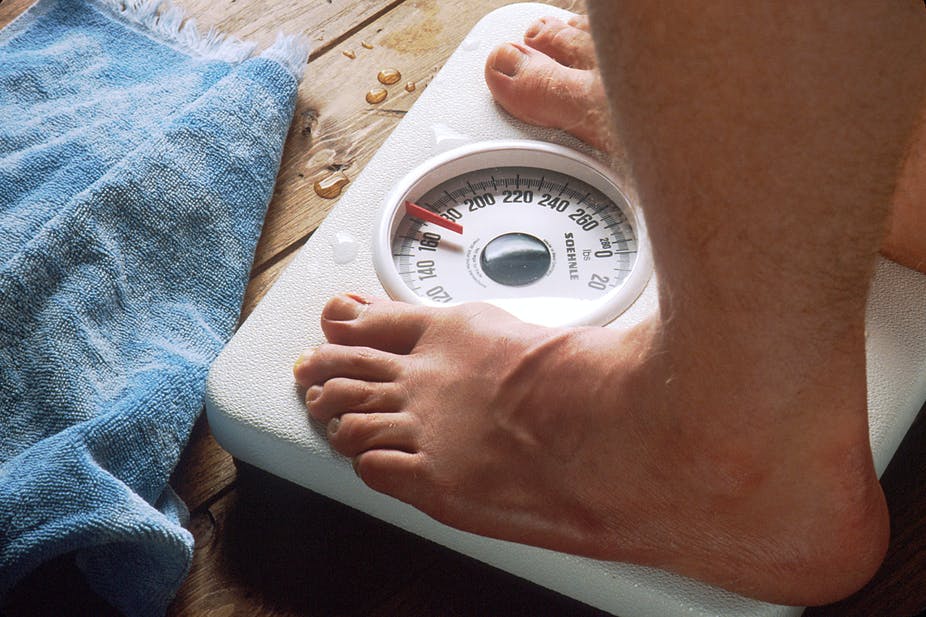
Hypothyroidism is a common condition when our body makes too little of the thyroid hormones T3 and T4. These hormones control our metabolism. They affect the way your body uses energy. As a result, many of your body’s main functions change and can slow down. Also called underactive thyroid.
When your thyroid levels are extremely low, this is called myxedema. Myxedema is a result of undiagnosed or untreated severe hypothyroidism. It can also develop when someone stops taking their thyroid medication. It’s more common in the elderly and in women. Deposits of chains of sugar molecules (complex mono-polysaccharides) in the skin. it can cause serious symptoms, including:
- A low body temperature.
- Anaemia.
- Heart failure.
- Confusion.
- Coma.
The primary cause is an autoimmune condition called Hashimoto’s disease. Also called Hashimoto’s thyroiditis or chronic lymphocytic thyroiditis, this condition is hereditary (passed down through a family). In Hashimoto’s disease, the body’s immune system attacks and damages the thyroid gland. This prevents the thyroid gland from making and releasing enough thyroid hormone.
Hypothyroidism can affect people of all ages, genders and ethnicities. It’s a common condition, particularly among women over age 60. Women are generally more likely to develop hypothyroidism after menopause than earlier in life.
Symptoms and signs of hypothyroidism
- Mental fogginess or sluggishness
- Depressed mood
- Excessive or prolonged menstrual bleeding
- Fluid retention, feeling bloated, puffiness in the face
- Joint aches and pains
- Weight gain
- High cholesterol levels
- Feeling cold, or increased sensitivity to cold temperatures
- Hoarseness
- Dry skin
- Constipation
- Fatigue
- Memory problems
- Thinning hair or hair loss
- Slowed heart rate
How to prevent?

Reduce the consumption of caffeine as it can stress adrenal levels which can negatively affect your thyroid. Try Keep your consumption within or 1-2 cups per day.
Avoid taking too much of stress as it interferes with the proper functioning of the hormones. Activities like Yoga, Meditation, or listening to relaxing music can be helpful in reducing stress.
Exercises is very important to maintain a healthy lifestyle. Thyroid cause laziness and depression and therefore it is important to exercise on regular basis for at least 20-30 minutes.
Avoid beverages like coffee, green tea, and alcohol, these beverages may irritate your thyroid gland.
Avoid eating highly processed foods, as they usually contain a lot of calories. This can be a problem if you have hypothyroidism.
Medication taken in a proper manner to control thyroid is absolutely necessary. Consult a physician and take regular medications.
Rest at least 8-9 hours every day, thyroid problems can lead to fatigue, and therefore proper rest is essential to go to bed early and rise early.
Along with regular exercise, diet, supplements, it’s also important. Since long working hours in the office can cause muscular problems. This could also lead to muscular spasm, muscle tightness and in worst cases muscle weakness.
Myths and reality
There are some myths and reality about thyroid one should be aware about before they totally believe in them.
- Myth: You can’t lose weight with hypothyroidism (underactive thyroid).
reality: If your dosage of medicine is effective, hypothyroidism won’t affect your ability to lose weight.
- Myth: Taking extra thyroid hormone will give you extra energy and make you lose weight.
reality: Always take your medicine as prescribed. Too much of the medicine can create side effects such as insomnia, shakiness, increased appetite and heart palpitations.
- Myth: You can manage hypothyroidism with diet.
reality: Diet alone cannot regulate problems of the thyroid. Thyroid medicine helps bring hormone production to a normal level. Eating a well-balanced diet with plenty of vitamins and minerals is still important to your overall health.
- Myth Only Women Suffer from Thyroid Problems.
reality: Thyroid problems predominantly affect women however men also fall prey to this condition quite often. As a man, do not operate under the belief that you are protected from thyroid disease just because of your gender. However, having said that, women do happen to be 8 times more at risk for developing thyroid problems.
- Myth: All people with thyroid problems have bulging eyes.
reality: Bulging eyes are just one symptom of thyroid eye disease, which is most common with hyperthyroidism (too much thyroid hormone) and Graves’ disease (an autoimmune disease that attacks the thyroid). A tiny percentage of people who don’t have thyroid problems have the bulging eyes of thyroid eye disease.
- Myth: Hypothyroidism won’t affect your heart or your cardiovascular system.
reality: It might seem like your thyroid hormone levels wouldn’t affect your cardiovascular system, but actually, low levels of thyroid hormone can lead to problems like high blood pressure and high cholesterol levels.
 Robust.health.fitness
Such a profound article on thyroid and its effects on human life. It really helped me in enhancing my knowledge on this subject. Great work man. keep it up!
LikeLiked by 2 people
Very well written and explained. Keep it up.👍👍👍
LikeLiked by 2 people